Contrast settings |
 Link highlights |
 Font size |
 Spacing |
 Dyslexic friendly |
 Large cursor |
 Sitemap |
 Default settings |

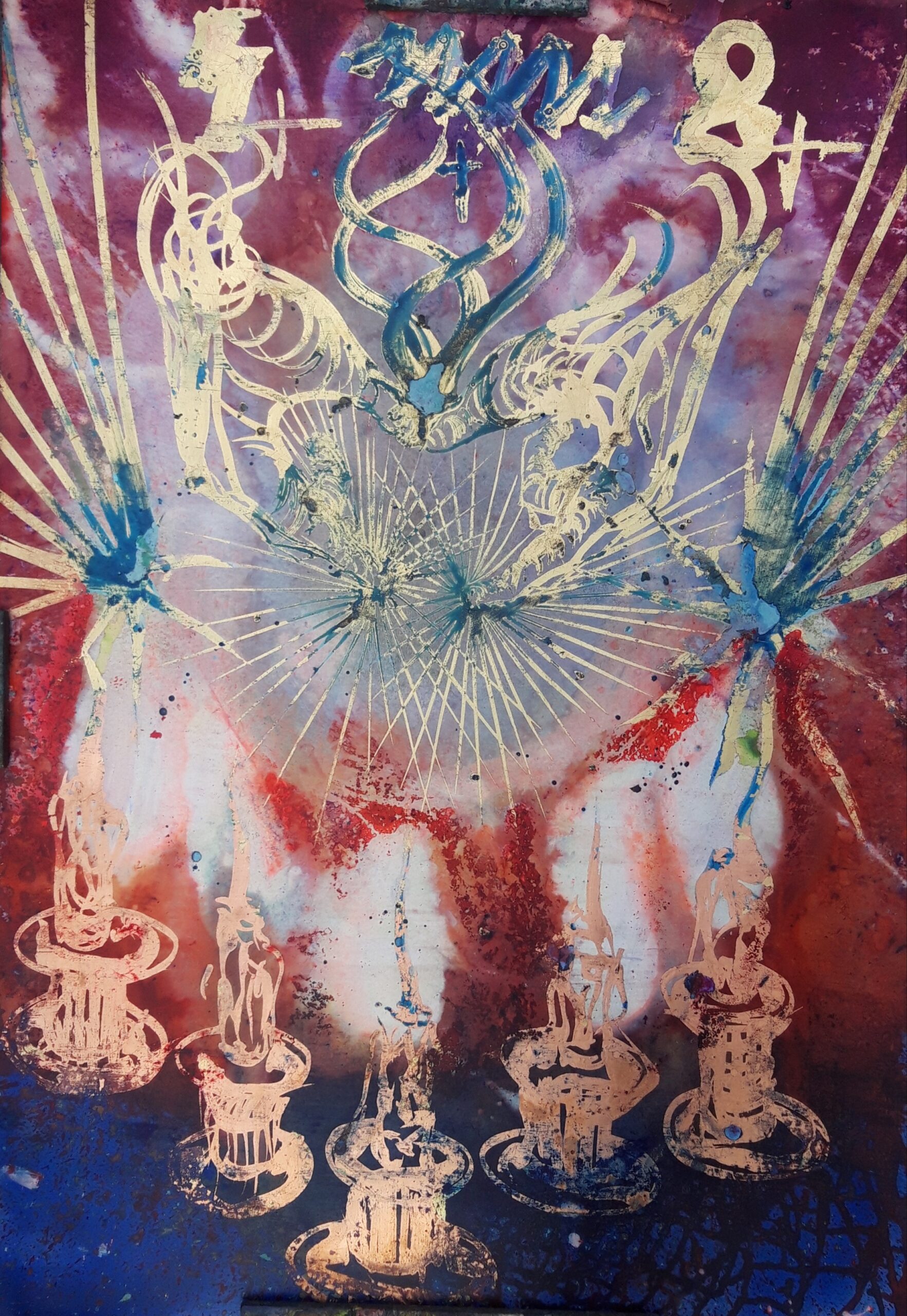
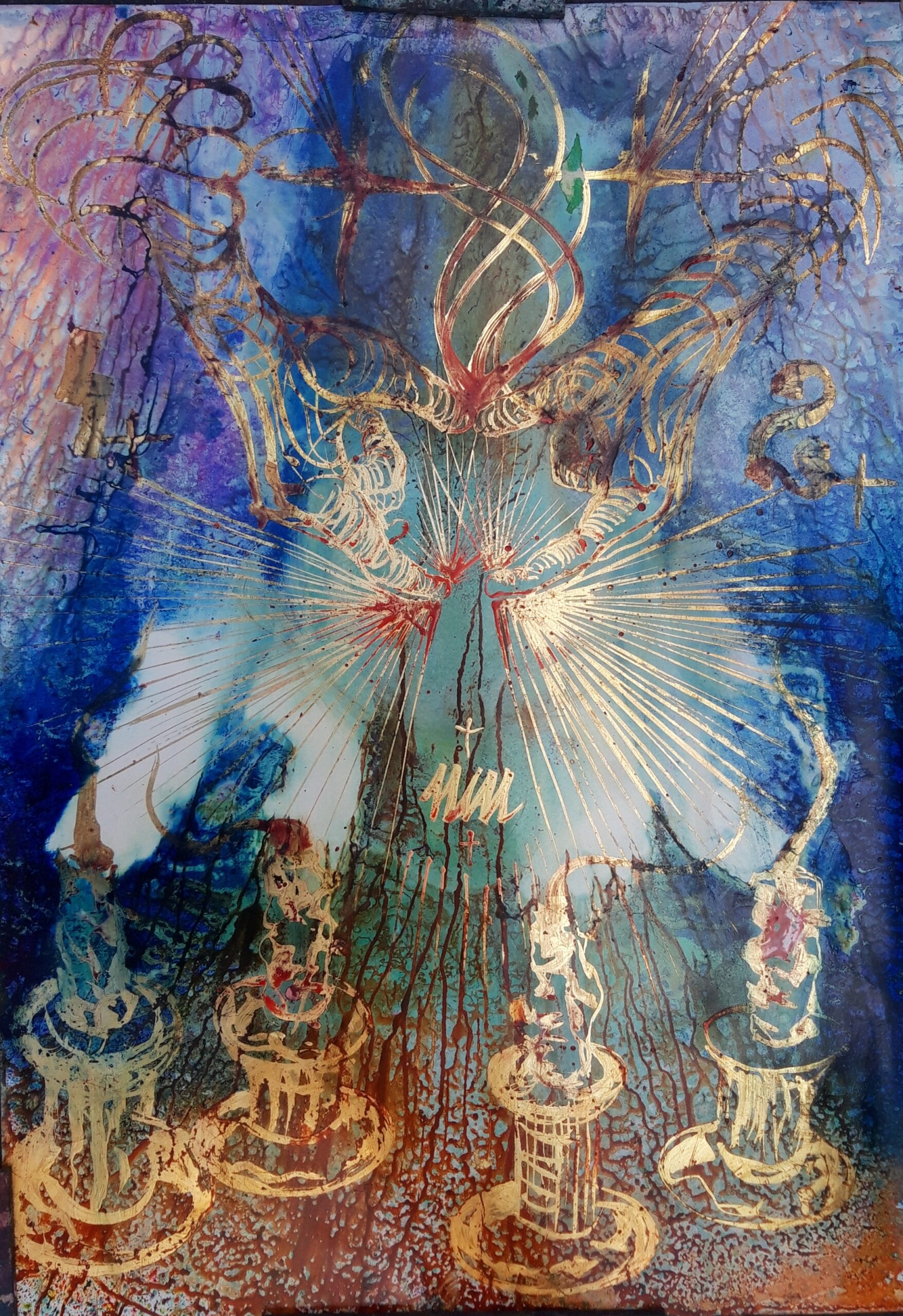
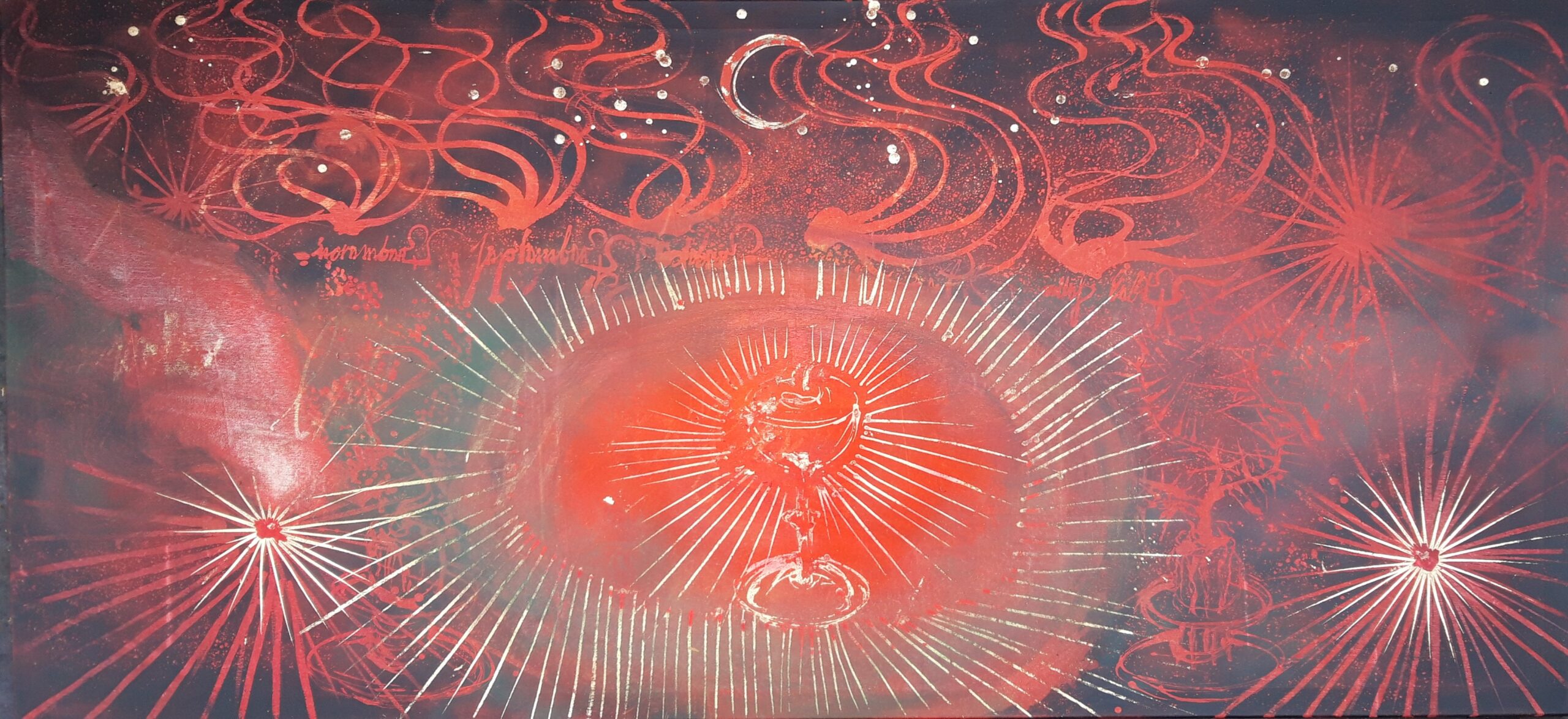
From 22 May, visitors to the City Gallery in Wrocław will have the chance to take part in a mystical spectacle of colour and light, as the institution’s spaces fill with the paintings and works on paper of Norman Smużniak.
The point of reference for the works presented in “The Crimson Wanderer”, an exhibition of the Wrocław Academy of Fine Arts painter and teacher Norman Smużniak, is a broadly conceived Baroque sensibility. In his work, this is expressed through a multiplicity of motifs, signs and allusions that enter into dialogue with one another, through ornamental forms, rich colour and light, compositional openness, spatiality constructed through colour and unrestrained expressiveness. The curator Mirosław Jasiński describes the artist’s work in the following terms: In Smużniak’s works, what is particularly clear is the search for space in the painting – characteristic of the arsenal of Baroque means – achieved through interpenetrating and interacting colours, subordinated to the superior spatial effect. In his approach to painting practice, Smużniak seems to aim at transcending the purely visual perception of the painting. The emphasis shifts from mere “seeing” to the dynamic, almost sensual – tactile – energy of the creative act, connecting what is created with the creator.
In his works Smużniak draws on a wide range of direct inspirations. Foremost among them are the interiors of Silesian Baroque basilicas and churches, which for the artist become not only a stylistic reference and sensory impulse, but also the metaphysical and spiritual foundation of his art. Referring to the idea of artistic continuity that underpins the painter’s practice, Jasiński observes: The references to Silesian Baroque art present in Norman Smużniak’s works evoke an era in which architecture, sculpture, and painting placed the art of the region in the highest registers of European art.
The abundance of references embedded in Smużniak’s paintings also lends them a palimpsestic quality, shaped to a considerable extent by the creative process itself, which often allows the works to undergo continual transformation over months or even years. As a result, sentences from an old German prayer book, written in Gothic script and woven into the composition, are frequently obscured by traces of painterly activity, thus dissolving into the material substance of the work.
The opening will take place on Thursday 21 May at 6:00 p.m.
The exhibition will run until 20 June 2026.
Exhibition curated by: Mirosław Jasiński