Contrast settings |
 Link highlights |
 Font size |
 Spacing |
 Dyslexic friendly |
 Large cursor |
 Sitemap |
 Default settings |

24 lipca publiczność Galerii Miejskiej we Wrocławiu będzie świadkiem zrealizowanego w ramach wystawy Materia i tożsamość, niezwykłego pokazu dwóch autonomicznych postaw artystycznych, których punktem wspólnym jest bogate i wielokierunkowe czerpanie z malarskiej tradycji.
Wernisaż połączony z koncertem (Agata Przyłucka – fagot, Jurii Fedorkiv – fagot / pod opieką artystyczną dr hab. Katarzyna Zdybel-Nam) odbędzie się 23 lipca (czwartek) o godzinie 18:00.
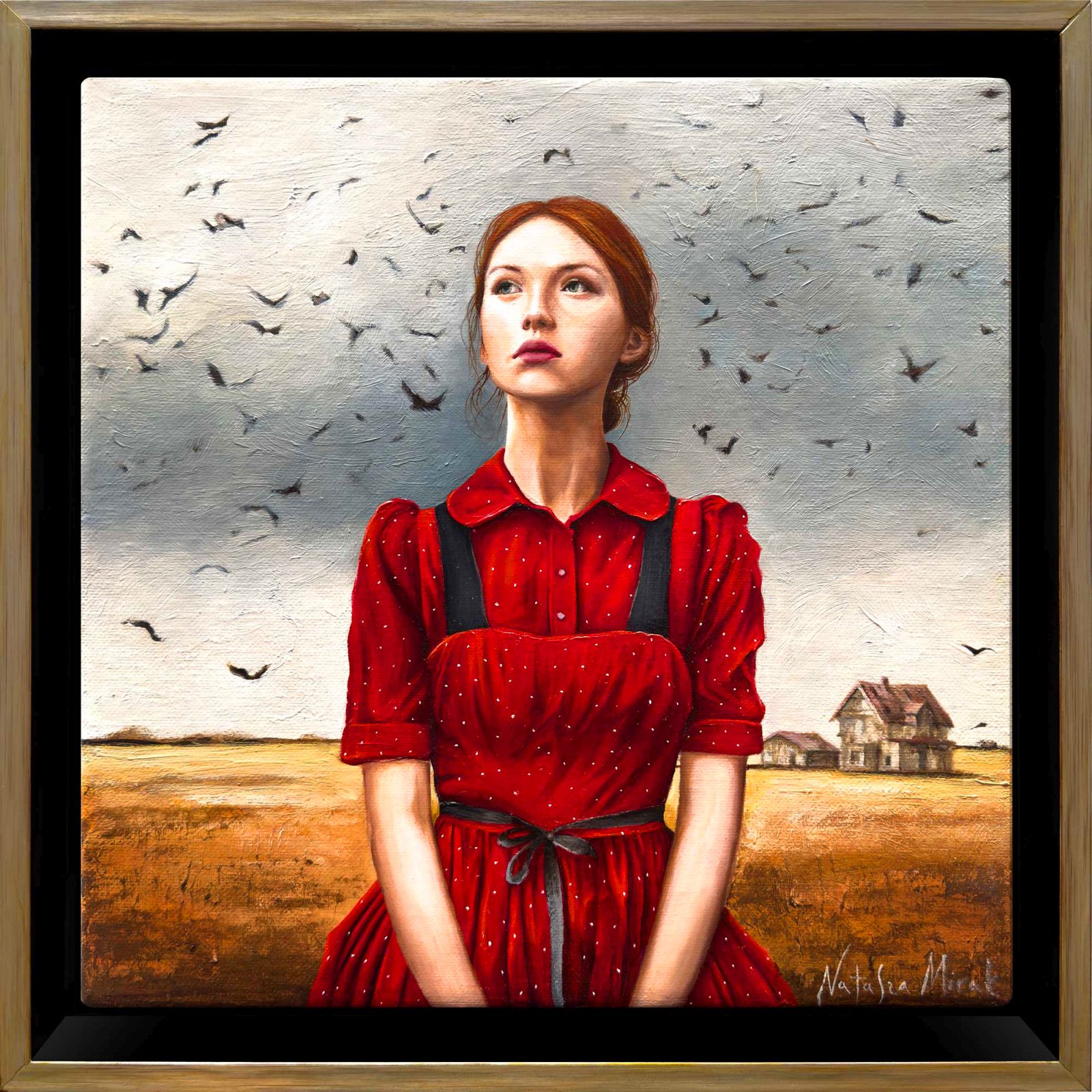
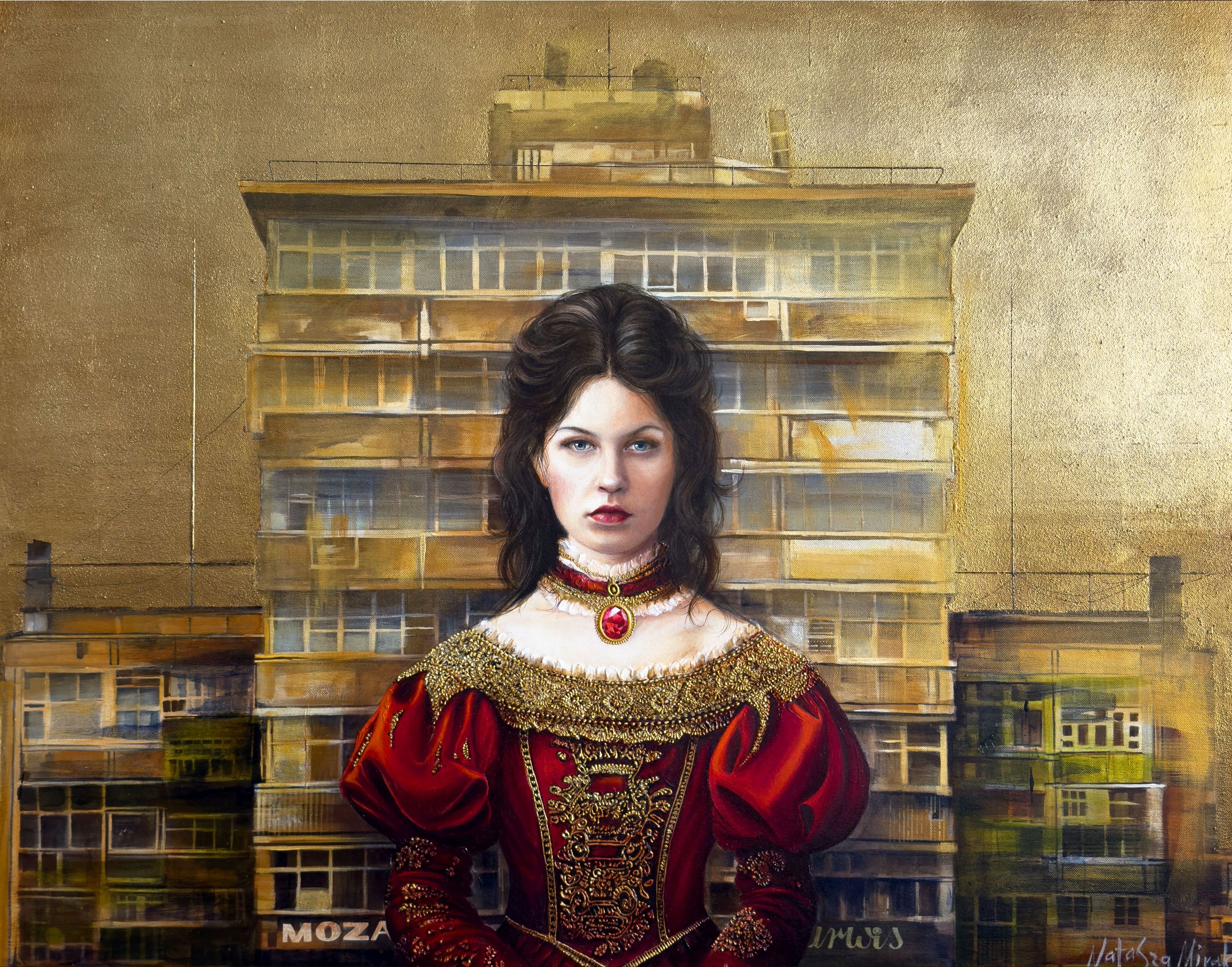
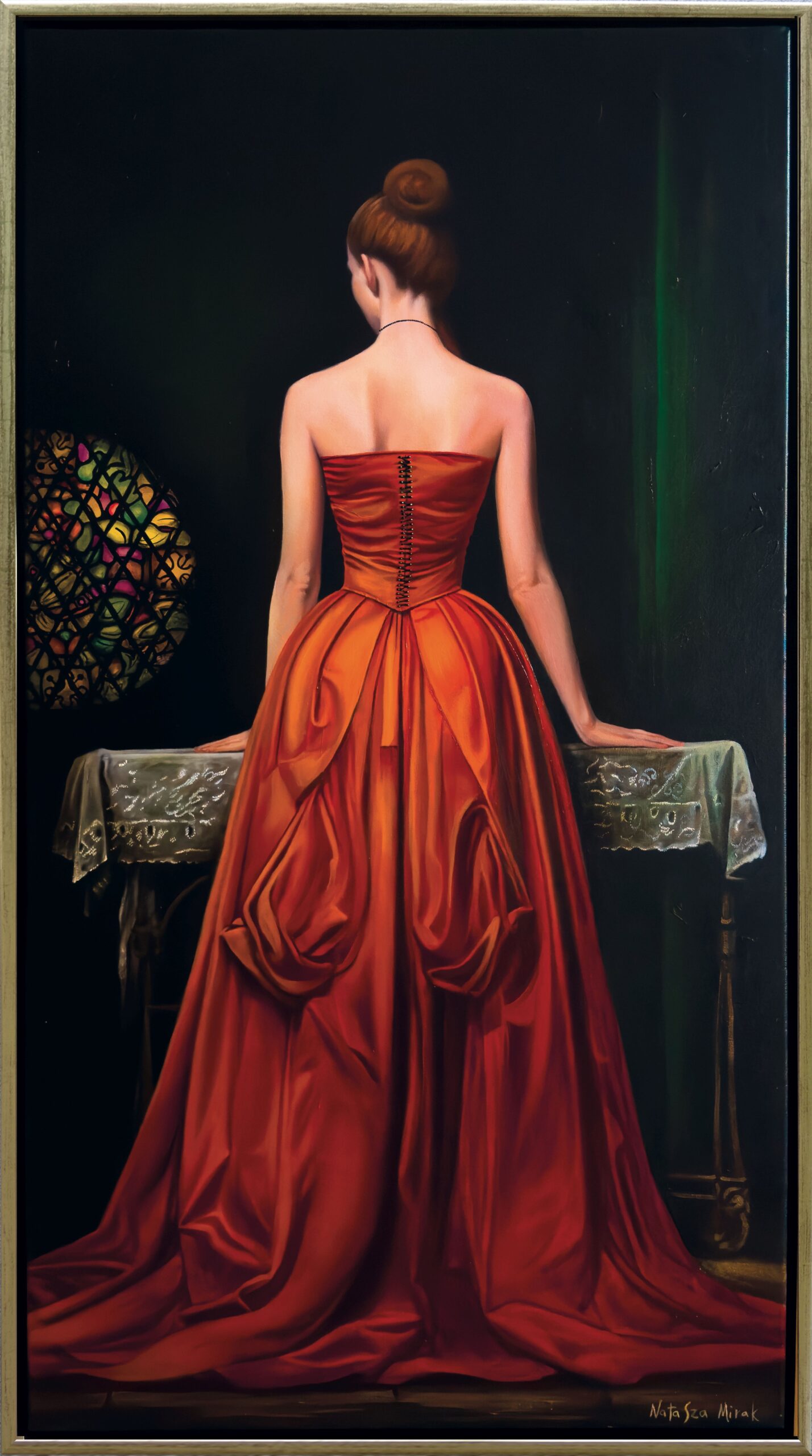
Natasza Mirak (Kamila Szadaj) w swojej twórczości sięga po dziedzictwo dawnych mistrzów, portretu, ikony, secesyjnej dekoracyjności oraz realizmu magicznego, splatając wszystkie te wpływy i inspiracje w eklektycznej, malarskiej strukturze. Centralnym punktem jej obrazów jest postać kobieca w swoim steatralizowanym – zbudowanym na kostiumie, rekwizycie, ozdobie – wymiarze. Choć bohaterki Mirak stylizowane są na damy z minionych epok, artystka nierzadko wpisuje je w aktualny cywilizacyjny kontekst, zestawiając je z fragmentami dzisiejszego pejzażu miejskiego, technologicznymi akcesoriami czy elementami kultury masowej. Przerzucając pomost pomiędzy współczesnością a przeszłością, malarka odnosi się do uniwersalnego doświadczenia kobiecości. W szerszej optyce natomiast, malarka zadaje pytania o znaczenie malarstwa dzisiaj – w epoce triumfu technologii, nadprodukcji obrazu i nieustannego cytowania.
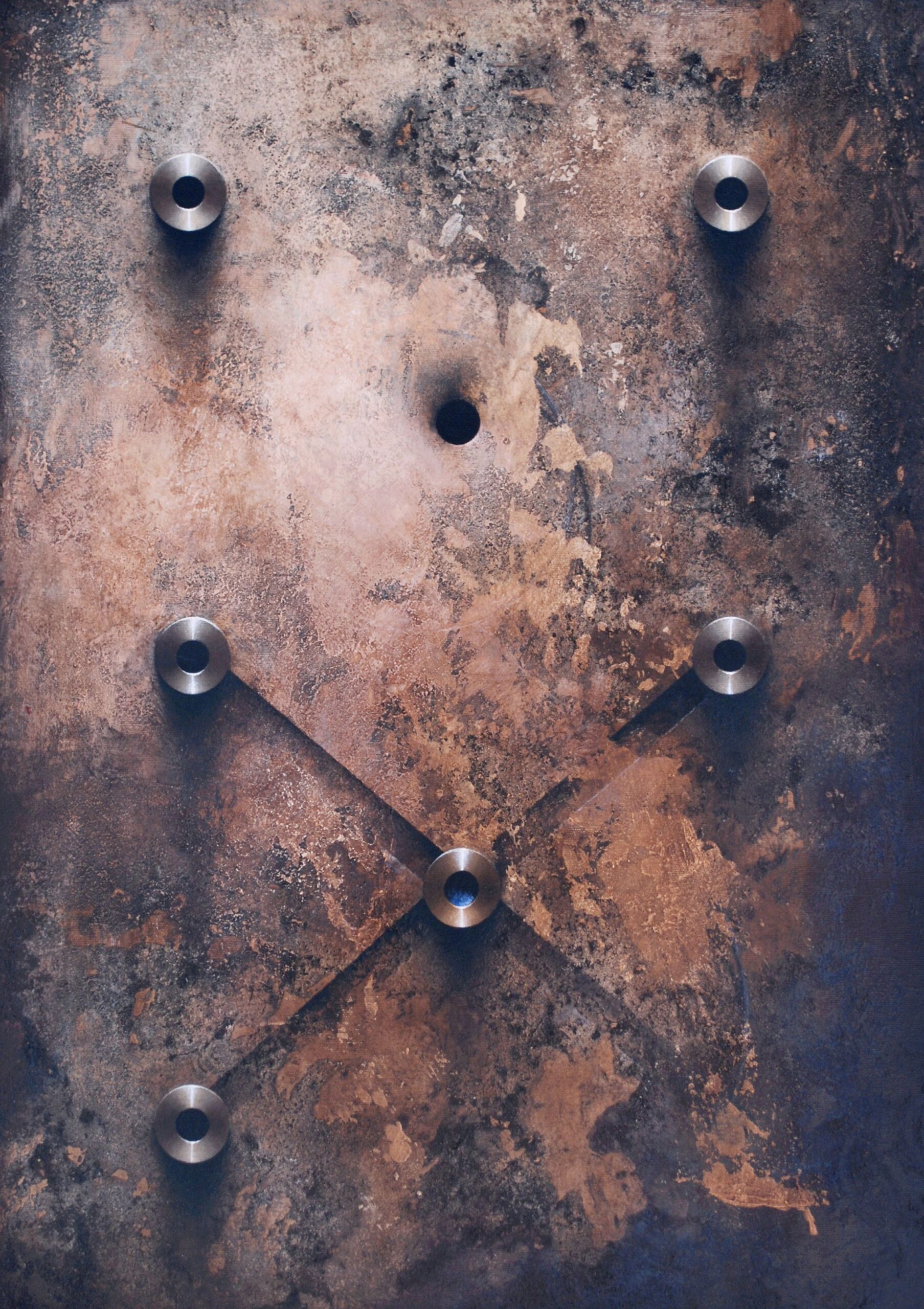
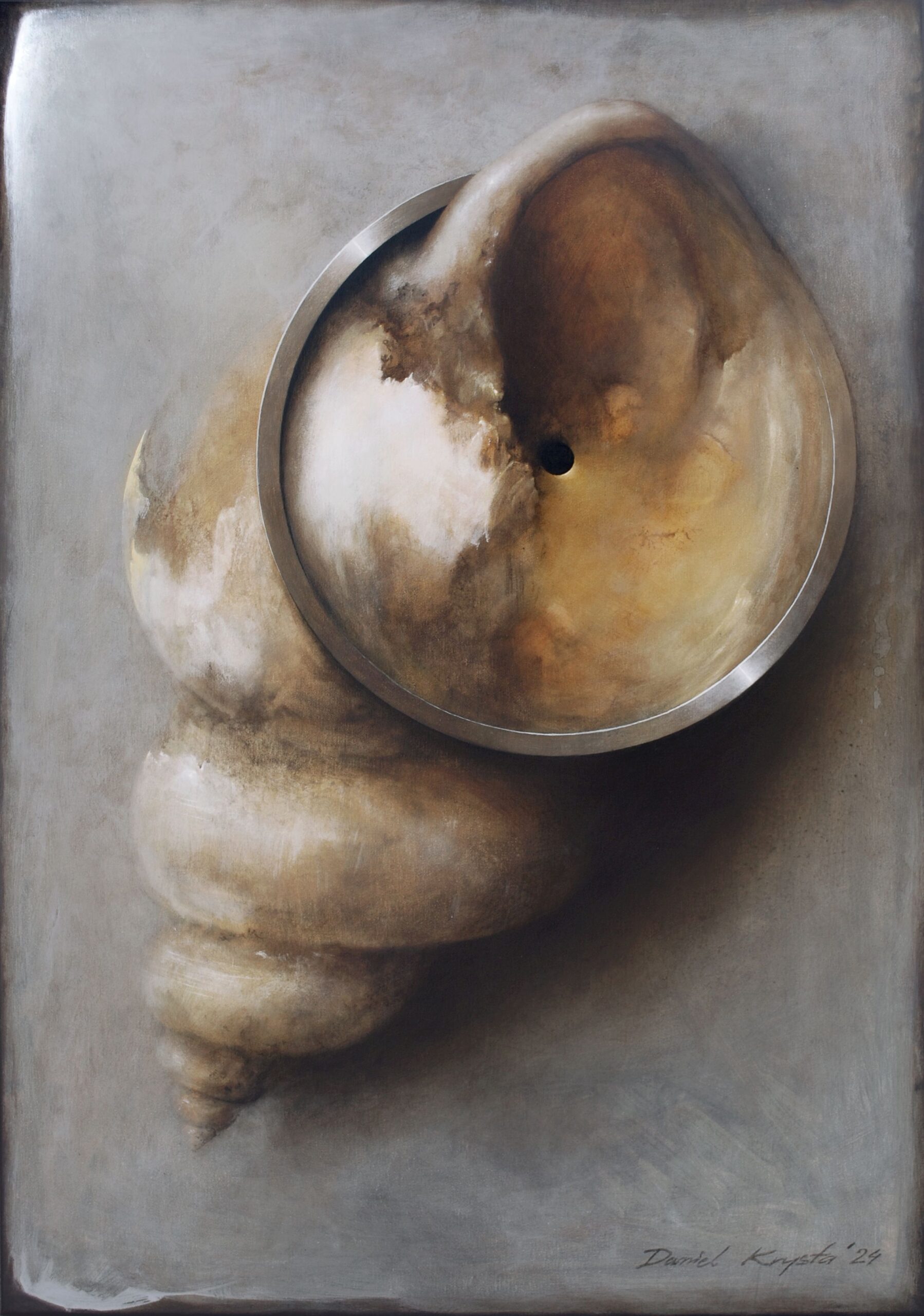
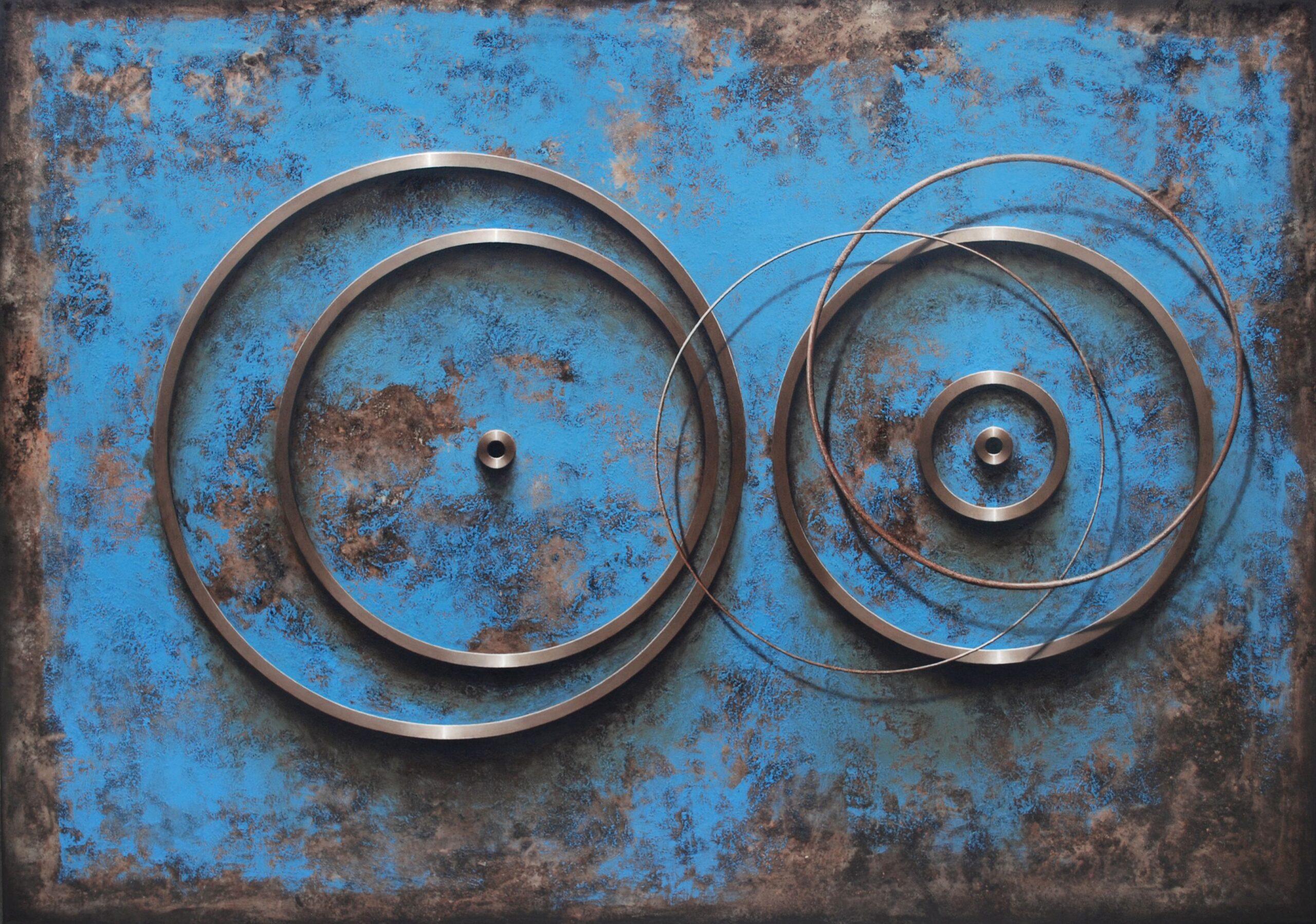
Daniel Krysta z kolei otwarcie czerpie z hiperralizmu, malarstwa materii oraz tradycji martwych natur, konstruując z tych odniesień własną formułę malarską. W jego – budowanych na zabiegu redukcji – obrazach technologiczny detal zostaje odseparowany od swojej użytkowej funkcji i wprowadzony w niemal metafizyczny obszar ciszy. W ten sposób malarz wydobywa z codzienności jej banalny element, by uchwycić go jako ogólny symbol świata skonstruowanego przez człowieka. Za tą strategią malarską kryje się pytanie o to, czy w świecie maszyn wciąż jeszcze można odnaleźć doświadczenie duchowe.
Obie praktyki artystyczne bardzo różnią się swoją siłą oddziaływania. Sztuka Krysty osadza się w ciszy, zaś Mirak – w wielogłosie, jednak wspólnym dążeniem obojga twórców jest ugruntowanie malarstwa w jego historycznych źródłach, a przez to – przywrócenie mu powagi widzenia.
O różnicach i podobieństwach istniejących pomiędzy twórczymi strategiami obojga artystów bardzo trafnie pisze w tekście katalogowym Robert Gawłowski: Krysta szuka granicy, na której obraz przedmiotu traci swoją oczywistość i zaczyna oddziaływać samą swoją obecnością. Mirak szuka granicy, za którą przedstawienie traci niewinność i ujawnia własną teatralność. Można więc powiedzieć, że te dwie postawy tworzą rodzaj dyptyku. Po jednej stronie znajduje się rzecz – skupiona, techniczna, odłączona od funkcji, poddana ciszy. Po drugiej maska – świetlista, wielowarstwowa, historyczna, świadoma gry spojrzeń. Rzecz Krysty i maska Mirak mówią innymi językami, ale obie bronią tego samego: prawa obrazu do tajemnicy. I może właśnie dlatego ich malarstwo, tak różne w tonacji, spotyka się w jednym rozpoznaniu: obraz jest najżywszy wtedy, gdy nie wyjaśnia świata do końca, lecz zostawia w nim miejsce, w którym rzecz zaczyna milczeć znacząco, a maska patrzy dłużej niż twarz.
Ekspozycja potrwa do 26 sierpnia 2026 roku.
Kurator wystawy: Mirosław Jasiński